Official Seller Management
Price Management
Strategies to Protect Your Brand Without Discounting: Product Mix Pricing and Minimum Advertised Price (MAP) Policies

💡 In this article, you can find the following information.
What is a product mix pricing strategy?
Practical structure of a product mix pricing strategy
Case studies of mix strategy utilization by industry
Prerequisites for a product mix strategy: Price order and Minimum Advertised Price (MAP)
MAP policies are effective only when equipped with monitoring and enforcement systems
Conclusion: A 'brand strategy that protects value without discounting' is possible
What is a Product Mix Pricing Strategy?
A Product Mix Pricing Strategy is a strategy that maximizes revenue by segmenting price points to provide choices to consumers and differentiating product value across different price ranges. The advantage of this strategy is that it moves away from a single price structure, allowing brands to attract diverse demand segments with a segmented price lineup.
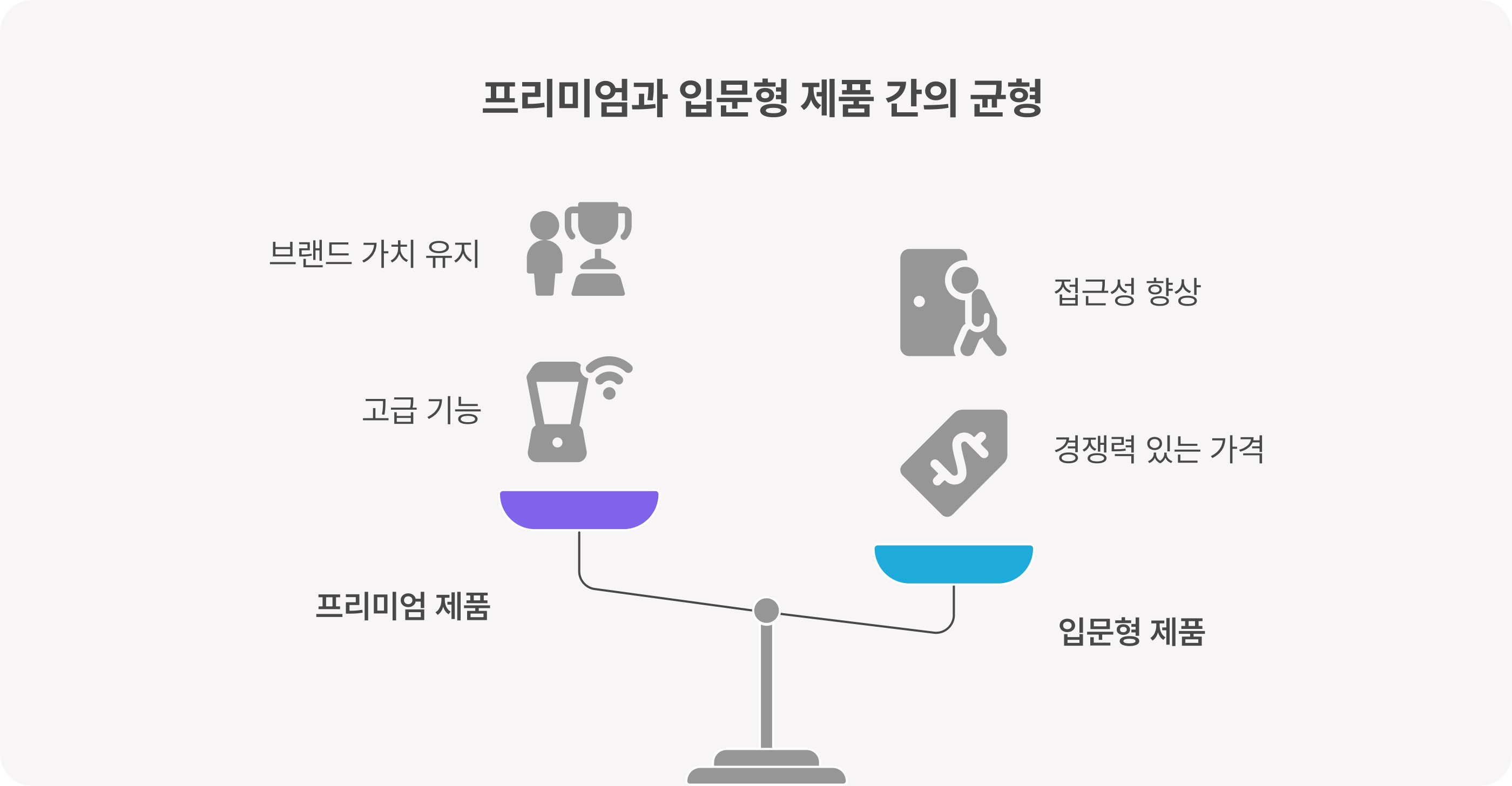
According to MetricsCart, this strategy is advantageous for maintaining the exclusivity and premium image of high-priced products while expanding market share with entry-level products that lower the barrier to entry.
Product mix pricing strategies are classified into the following detailed types (this content was structured by referring to the summaries of mix strategy types and application cases presented by MetricsCart, CollegeHive, and Indeed):
Product Line Pricing: This is a method of setting different prices based on features and performance within the same product category. For example, in a brand's wireless vacuum cleaner line, a high-end model with strong suction power and a self-cleaning function is sold at a premium price point, while a model with basic suction power is separated and sold at an entry-level price point. This also applies to the strategy of smartphone brands releasing high-spec Pro models and standard models at different price points within the same series to broaden consumer choice.
Optional Product Pricing: While offering the basic product at a reasonable price, this method allows consumers to purchase additional options based on their needs. A prime example is the strategy of configuring RAM upgrades, custom engraving, or an extra keyboard as optional items when purchasing a laptop, requiring consumers to pay extra depending on their desired specifications.
Captive Product Pricing: The main unit is offered at a reasonable price, but the structure requires purchasing essential consumables separately to continue using it. For example, the body of an electric toothbrush is relatively inexpensive, but the brush heads must be replaced regularly, and they are designed to be compatible only with proprietary brand products. This secures revenue through accessories that must be repeatedly purchased.
Bundle Pricing: This is a method of grouping related products into a single set and offering them at a lower price than if purchased individually. For instance, beauty brands use a strategy to increase the average order value by bundling toner, lotion, and cream into a single set and offering it at a discounted price compared to buying them individually.
Loss-Leader Pricing (or Bait Pricing): This is a strategy that puts an eye-catching, ultra-low-priced item at the forefront to attract consumer attention and drive traffic, subsequently leading them to purchase high-margin items. An example of this is when a shopping mall advertisement offers a 'first purchase for $0.99' product but sets the minimum order amount for checkout to at least $20 to encourage customers to purchase other items together.
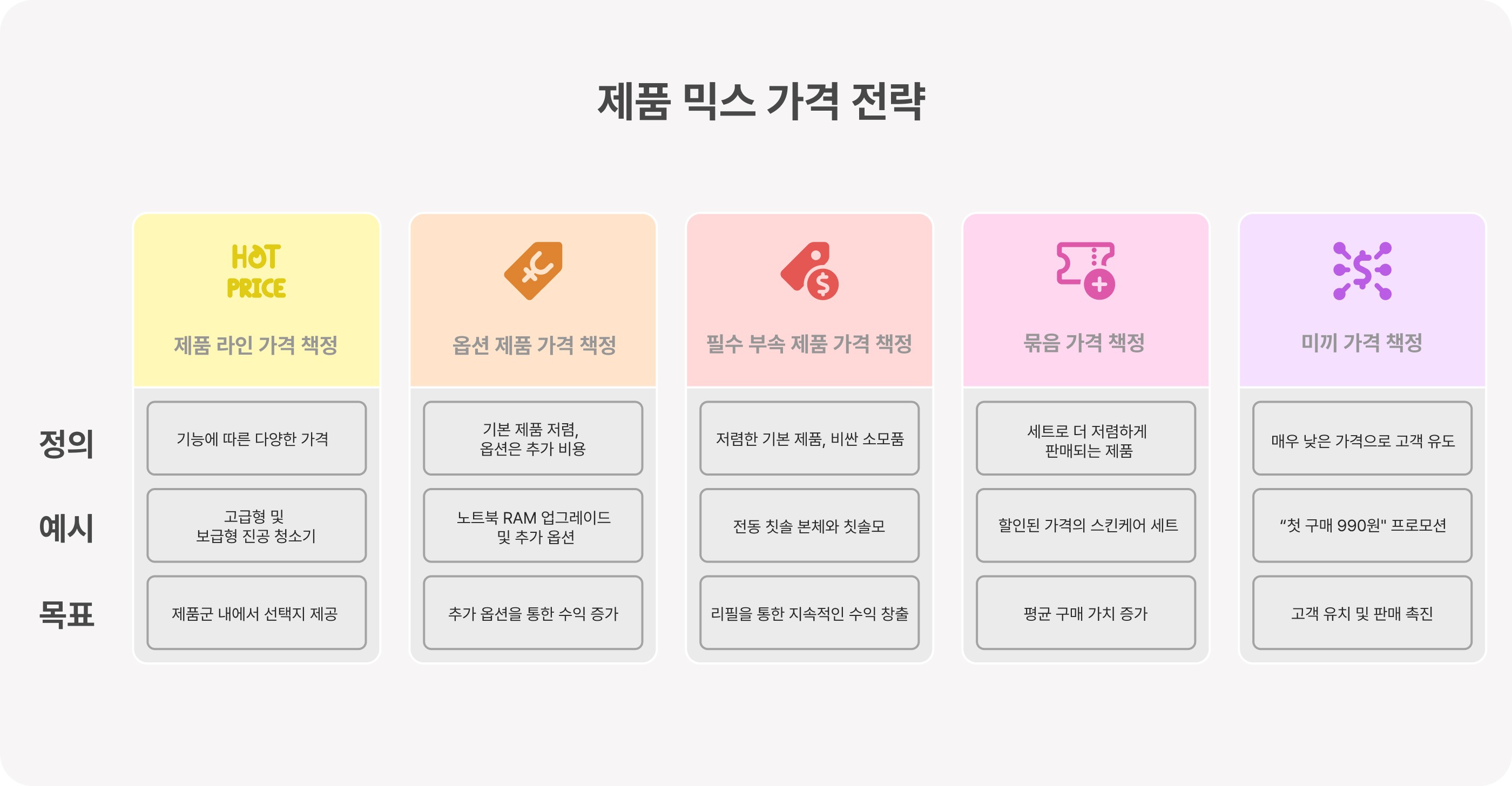
Applying a combination of these various strategies allows brands to respond to consumer needs in a more detailed manner, achieving higher profitability and differentiation than a single pricing strategy.
Practical Construction of a Product Mix Pricing Strategy
"I understand the strategy, but how do I actually apply it in the field?"
How to apply this product mix pricing strategy in practice is a common concern for many brand managers. A strategy is not completed simply by listing high, medium, and entry-level products. It must be backed by specific application methods regarding what context to use it in and how to utilize it.
The starting point for establishing a mix strategy is defining target customer segments. Divide segments based on customers' purchasing power, brand loyalty, and product usage purpose, and then configure appropriate product-price combinations for each group.
For example:
Premium: The highest-priced product containing high-end materials, technology, and brand symbolism.
Value-focused: A mid-priced product that maintains core features but removes unnecessary elements.
Entry-level: A low-priced product that provides only basic features and offers an opportunity to experience the brand.
This configuration is not just about pricing; it is a design to guide consumer choice. Through this structure, brands can attract various consumer segments and maintain the value of premium products without lowering prices.
Cases of Using Mix Strategies by Industry
For a product mix pricing strategy, the execution method is just as important as the design. Because consumer expectations and distribution structures vary by industry, strategies must be tailored accordingly. By looking at how various industries and companies are actually utilizing it, you can gain a more three-dimensional understanding of how this strategy is applied in practice.
Industry Cases
Beauty Industry: While cosmetics brands differentiate functions between products such as 'ampoule-serum-cream', they position high-end lines as premium based on volume or ingredient content. Even with the same ingredients, a higher price is set for highly concentrated products to maintain brand value. Through this, consumers are provided with options by price range, and the premium image of high-end lines can be clearly distinguished.
Home Appliance Industry: For example, in the case of air purifiers, price ranges can be segmented according to filter replacement cycles, the presence of smart sensor functions, and coverage area. Premium models include IoT connectivity features, while entry-level models provide only physical buttons to secure price competitiveness. Through feature differentiation, a functional-based, acceptable price structure is formed rather than simple price competition.
Fashion/Sportswear: While operating season-limited collections, collaboration products, and functional materials as premium lines, brands run entry-level lines with similar logos or designs but reduced functionality to increase accessibility. This can build brand loyalty and attract younger consumers. Within the same brand, accessible lines allow for both new customer influx and premium product demand to be designed simultaneously.
F&B Industry: Beverage brands divide price lines based on volume, ingredients, and packaging, such as 'premium bottled water', 'regular bottled water', and 'small bottled water'. Consumers choose products that fit their purpose or situation within the same brand, maintaining brand loyalty. By combining frequently purchased entry-level products with differentiated high-end products, a loyal consumer base can be maintained.
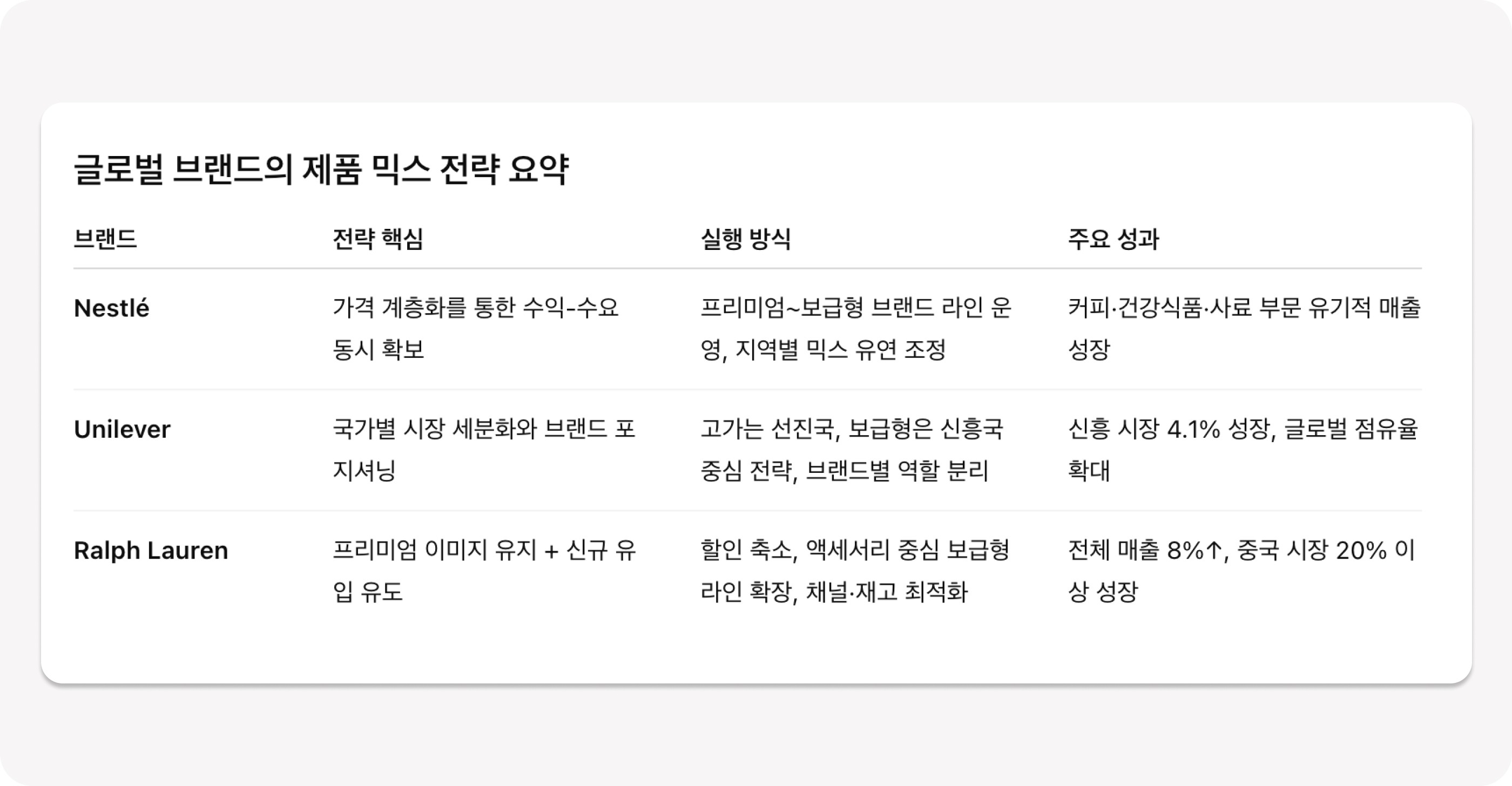
Global Brand Cases
Price Tiering Strategy Considering Regional Demand (Nestlé Case): Nestlé has grown its sales through harmonious operations tailored to regional demand, utilizing brands in various price ranges from premium brands (Perrier, Nespresso) to entry-level brands (Maggi, Milo, Nescafé).
Market Segmentation through Product Lineup Diversification (Unilever Case): Unilever effectively operates product mix pricing strategies by holding various brands such as Dove, Lux, and Lifebuoy. Through a dual strategy that focuses high-end brands on developed countries and entry-level brands on emerging countries, they efficiently managed their global portfolio and drove growth in emerging markets.
Pricing Operation Strategy Combining Premium Image Maintenance and New Entry Attraction (Ralph Lauren Case): Ralph Lauren had previously faced concerns that its brand value was being damaged by excessive discounting. To address this, they moved away from a discount-centered strategy, strengthened their entry-level accessory lines, and recovered both profitability and brand image simultaneously with a strategy focused on core products.
Prerequisites for a Product Mix Strategy: Price Order and Minimum Advertised Price (MAP)
However, even with a price structure designed this way, its persuasiveness to consumers collapses if price order is not maintained in the market. In other words, it should not be just a structure where prices are logically distinguished, but a structure that is actually accepted in the market. For such an elaborately designed strategy to be effective in the market, price order must be maintained. Only when consumers trust and accept the difference in value between products and the resulting price difference will the persuasiveness of the product mix be maintained.
For example, if entry-level products are exposed at excessively low prices, consumers will form a perception that the prices of high-end products will also collapse soon. In addition, if individual prices of products sold in bundles are exposed at excessively low levels, consumers will undervalue the original package's worth and fail to feel the advantage compared to single items. Ultimately, the brand's intended price structure and value distinction will be distorted in the market, neutralizing the mix strategy itself.
The mechanism required to prevent this price distortion is the Minimum Advertised Price (MAP) policy. The MAP policy restricts resellers from advertising product prices below a certain level, helping to consistently maintain the brand's designed pricing strategy in the actual market.
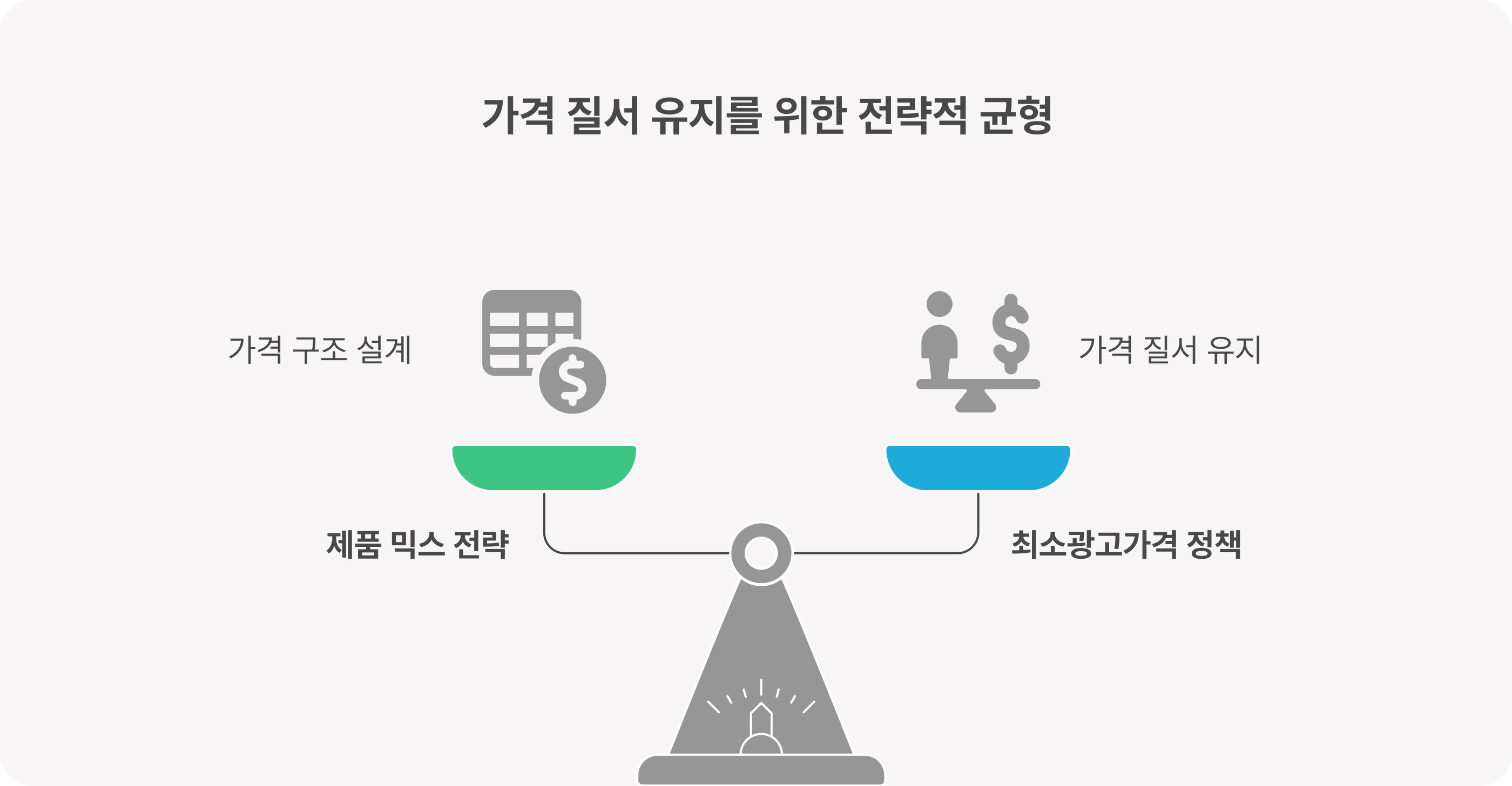
In other words, the brand's pricing system can be robustly protected when the product mix strategy and MAP policy are organically linked.
MAP Policies are Effective Only When Backed by Surveillance and Enforcement Systems
It is difficult to expect results from a Minimum Advertised Price (MAP) policy through its establishment alone. To ensure that the minimum advertised price set by a brand is respected in actual distribution channels, a system capable of continuous and precise monitoring of compliance is required. Especially now that distribution channels have become diverse and complex, there are clear limitations to managers manually checking prices and determining violations every day.
Retrix provides a solution that automates price monitoring and dealing with unauthorized sellers to solve these problems:
Detection: Based on registered product information, it automatically collects real-time price information from major platforms such as Naver and Coupang. It accurately identifies actual advertised prices by reflecting complex discount conditions like coupons, member prices, and linked promotional rates.
Warning & Reporting: It automatically detects sellers violating the Minimum Advertised Price (MAP) and compiles it into a weekly report to deliver to the manager. Authorized resellers are automatically notified via email or KakaoTalk, significantly improving the speed of price normalization.
Response: The history of repeat violators is automatically recorded in the system, making it easy to determine subsequent actions such as supply suspension or contract termination. Additionally, trademark infringement can be diagnosed through an AI engine with image similarity analysis, and infringement reporting against unauthorized sellers can also be automated.
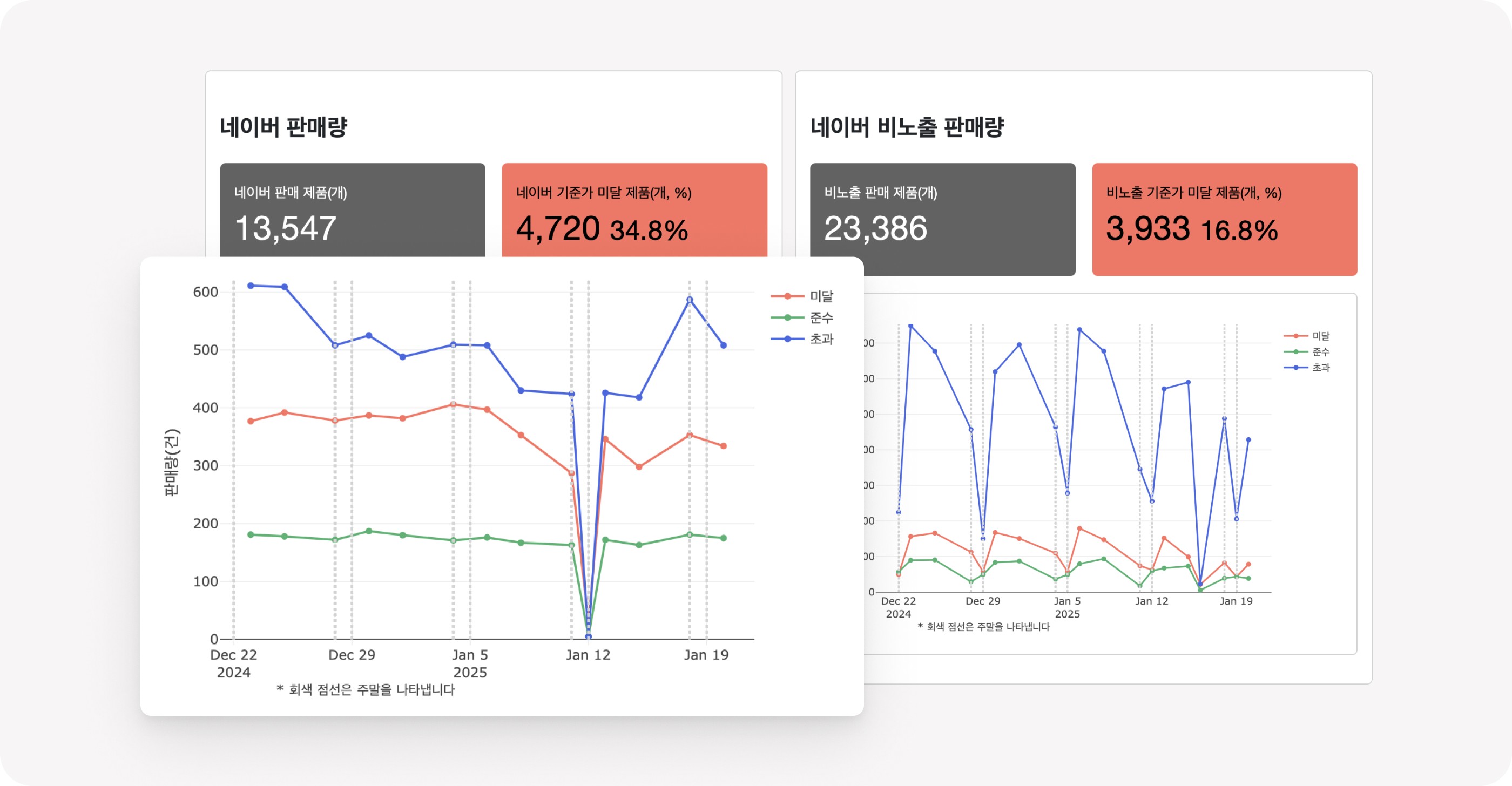
Operating the Minimum Advertised Price (MAP) policy based on a system rather than as a simple declaration allows brands to maintain price order much more efficiently and consistently. Retrix acts as a practical price strategy partner, reducing the manual workload of managers and supporting them to focus on brand strategy.
Conclusion: A 'Brand Strategy to Protect Without Discounts' is Possible
As we have explored, a product mix pricing strategy is not just about price diversification, but a core strategy for a brand to generate sustainable revenue in the market and expand consumer choice. Various product configurations and psychological price adjustments serve as important tools for brands to maintain competitiveness without discounting.
However, for this strategy to function properly, simply dividing products is not enough. For the price structure between premium and entry-level to be trusted in the market, price order must be a prerequisite, and the MAP policy must work alongside it as a means to maintain this order.
Furthermore, for the MAP policy to be effective rather than just a declaration, an automated monitoring system is essential, allowing brands to detect price deviations in real time and respond quickly. This completes an enforceable pricing strategy beyond a simple policy, maximizing the effects of the product mix strategy.
Do you want to protect your brand without discounting? If so, you should place the product mix strategy at the center and design it together with a MAP policy and an automated price monitoring system. Strategies start with ideas, but execution comes from data-based systems. Retrix is your strategic partner to help you quickly secure this execution capability.