Unofficial Seller Management
Price Management
With price policies shaken by black sellers, how can we protect our brand?

💡 In this article, you can find the following information.
They say price restriction is legally difficult... how should a brand protect it?
Legally viable price protection strategy: Establishing a MAP policy
How to respond to black sellers
How to protect against repetitive violations by black sellers in the long term
Conclusion: If you cannot enforce prices, you must choose a 'controllable strategy'
“They say price restriction is legally difficult… How should we protect our brand?”
Practical Price Protection Strategies Every Brand Manager Must Know
As online distribution platforms expand rapidly, branded products are increasingly being distributed through various channels outside of official sales outlets. Especially in structures like open markets or Smart Stores where anyone can become a seller, situations frequently arise where products are sold at prices unintended by the brand.
The problem is that this kind of 'price deviation' does not end with just a single transaction. It damages the premium image of the brand, drags even authorized official sellers into price competition, and can shake brand trust itself in the long run.
In fact, many brands are reorganizing their official sales channels or establishing separate pricing policies due to these issues, but they often run into the limitation that under Korean Fair Trade Law, it is impossible to forcibly restrict sales prices.
So, what choice should a brand make in this situation?
❝ If we cannot directly restrict prices, what on earth can we do to protect our prices? ❞
❝ Black sellers who do not comply with the minimum price keep popping up, is there no legal way for the brand to respond? ❞
This content is prepared for those who have these questions. Let's look at how brands can design pricing policies within legal boundaries, monitor distribution channels, and secure practical response capabilities.
Legally Permissible Price Protection Strategy: Establishing MAP Policy
The Korean Fair Trade Act in principle prohibits 'Resale Price Maintenance'. It is considered an unfair trade practice for a manufacturer or supplier to directly designate or force the final consumer price on a seller. This means controlling the ‘selling price’ itself is illegal. However, exceptionally, standards for 'advertised prices' exposed in advertisements or promotions can be legally set. The strategy based on this is the MAP (Minimum Advertised Price) policy, which is the minimum advertised price policy.

✅ What is MAP?
Legally, MAP means the 'minimum price standard displayed in advertisements', but in practice, it is operated as a strategic means to maintain the minimum price set by the brand. For example, MAP standards apply to most areas exposed to users, such as product detail pages, search results, thumbnails, and price comparison widgets. Without directly controlling the selling price, this policy acts as a de facto price protection device that allows brands to maintain distribution order and minimize price deviation. However, to introduce this, contracts must be signed with official resellers in advance, and the MAP standard and penalty conditions for violations must be clearly notified, and a post-implementation inspection and internal management system must also be established.
Global brands in the US, Germany, Japan, etc., also widely utilize MAP policies, and in Korea, amidst the deepening trend of online lowest-price competition, they are utilized as a realistic price management strategy to protect brand value while avoiding legal risks. Through this, brands reorganize their distribution structures and defend against declining profitability.
However, establishing a MAP policy does not guarantee that the market will maintain the price desired by our brand. According to research by Kellogg Insight, 56% of unofficial sellers and 15% of official sellers have experienced violating MAP. It points out that MAP violations are not simple exceptional cases but are spreading as a structural problem. In particular, in the digital distribution environment, sellers often attempt policy evasion behaviors by repeatedly registering the same product through multiple accounts, or appearing to adhere to MAP in the advertising area but actually lowering the price after clicks.
For a MAP policy to practically defend our brand's price, a real-time monitoring and preemptive response system for repeat offending sellers must be run in parallel.
How to Respond to Black Sellers
When a black seller unauthorizedly sells brand products online, the brand can respond through the following procedures.
1️⃣ Identify Infringement Type
Intellectual Property Infringement: Unauthorized use of brand logos, images, and detail pages
Trademark Infringement: Use of similar brand names, leading to confusion as an official product
MAP Violation: Exposure below the designated price at a contracted selling outlet
2️⃣ How to Respond to MAP Violating Sellers

Currently, major domestic platforms do not classify 'MAP (Minimum Advertised Price) policy violation' as an intellectual property infringement or a legal dispute issue. Therefore, brand companies determine whether their official brand images have been stolen and take indirect sanction measures against MAP violations through legally recognized trademark infringement or copyright infringement. Thus, responding to MAP violations requires a different approach from typical infringement reports.
1. Internal Monitoring and Evidence Collection: Continuously monitor price violation cases and secure information such as relevant screenshots, URLs, and violation dates and times.
2. Contacting Unofficial Sellers: Notify them of their violation of the company's MAP policy and send a warning email requesting correction. Inform them that supply may be suspended or sanctions applied in case of brand policy violation. This measure is the first step to induce 'voluntary correction' before legal action, which is a way to increase the effectiveness of the initial response.
3. Official Sanction Measures: If there is a reseller contract, measures such as contract termination or supply suspension can be taken, and in case of repeated violations, measures such as future transaction restrictions are possible.
4. Cooperation with Platforms: If MAP violation cases lead to consumer damage or are linked to platform policy violations, you can request action in cooperation with each platform's customer center or brand protection team. However, as mentioned earlier, since platforms often do not view MAP violation itself as a legal infringement, presenting clear evidence and securing data on repeatability are important in this process as well.
MAP violating sellers not only break down the price itself but can also damage brand trust and distribution order in the long run. Therefore, beyond simple infringement reporting, a structural response process consisting of pre-monitoring → seller response → internal sanctions → platform cooperation is essential.
⚠️ Precautions
Legal Limitations: The MAP policy is a restriction on advertised prices, meaning it cannot force the actual selling price, and forcing prices is also legally restricted.
Differences in Platform Policies: Since policies differ for each platform, response plans may need to vary by platform.
Need for Continuous Monitoring: Since MAP policy violations can occur repeatedly, it is important to establish a continuous monitoring and response system.
How to Long-Term Protect Against Repeated Infringements by Black Sellers
The problem does not end here. Even if a post is taken down after reporting, the same seller registers again with a different account or spreads to other channels. Since it is difficult to respond to such repetitive infringement actions with one-off measures alone, a continuous monitoring system is required.
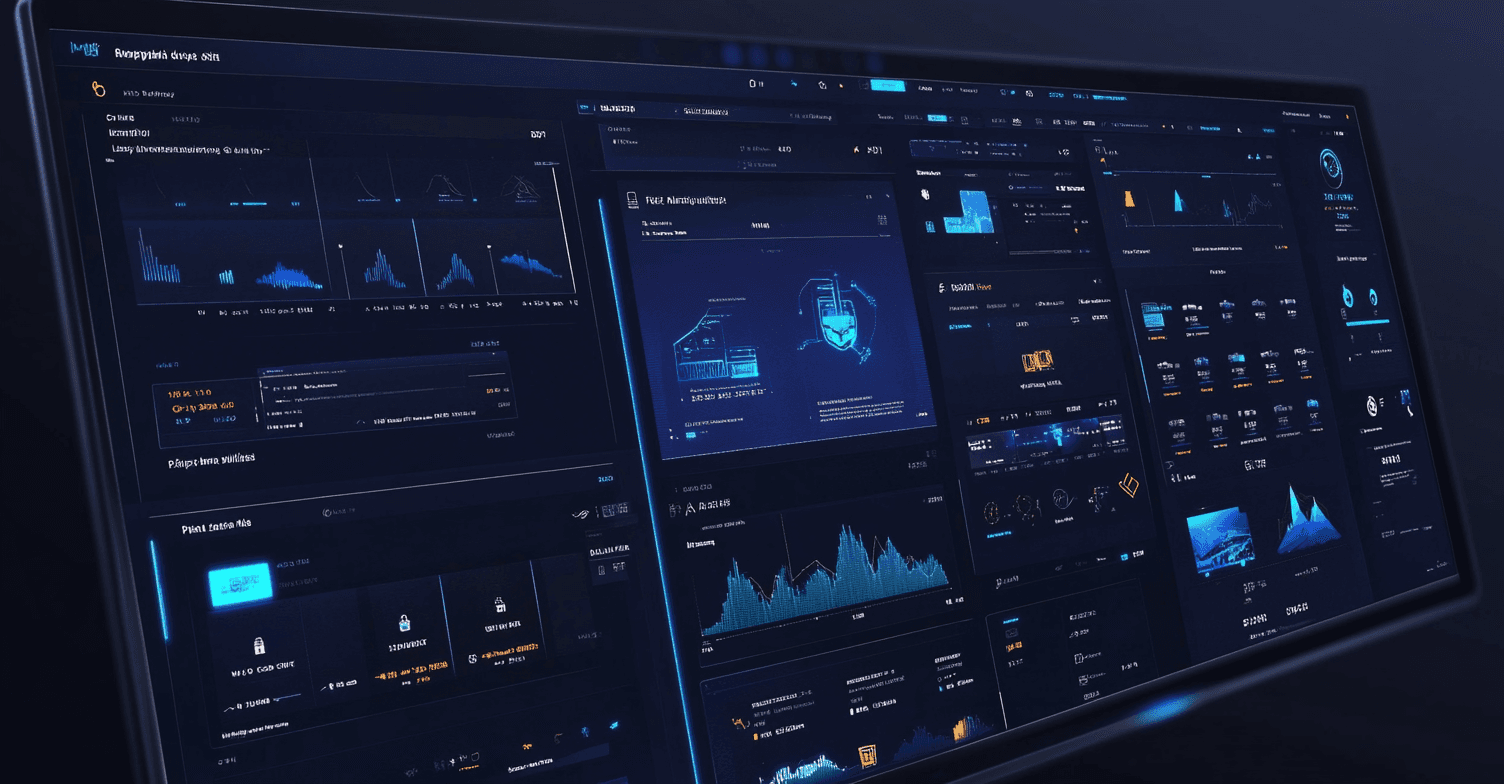
Recently, methods of constantly monitoring major online marketplaces through AI-based automatic monitoring solutions, tracking the behavior of violating sellers, and generating reports have been introduced. Implementing such a system allows for a much faster and more consistent response compared to conventional manual monitoring.
In particular, functions that analyze the patterns of repeat offending sellers and automatically organize screenshots and evidence required for reporting can reduce the resources of brand practitioners and contribute to establishing strategies for restoring distribution order.
Automatic monitoring solutions to solve these problems are also emerging in Korea. Retrix utilizes AI-based technology to detect price violations by black sellers and provides services that systematically assist in brand protection work through features that support everything from classification of infringement types to evidence collection and report automation.
Brand protection goes beyond simple infringement measures to encompass maintaining the price order of the entire market and brand trust. To achieve this, moving away from responding to individual incidents, an integrated market-view monitoring strategy is becoming increasingly important. This is not simple surveillance, but a service that provides a foundation for brand companies to reorganize distribution channels and restore credibility. Ultimately, protecting the unique value of brand companies and securing fair profits is the goal of Retrix.
Conclusion: If you cannot force prices, you must choose a 'controllable strategy'

Even within legal and market limitations where brands cannot directly control prices, there clearly exist realistic ways to protect brand value and profitability structures.
That is establishing an actionable price strategy and preparing a systematic infringement response system. Starting with the introduction of a MAP policy, a clear contract structure with distribution partners and a real-time monitoring system across overall online distribution channels must be established together. Especially recently, through automation solutions based on AI technology, it has become possible to detect black sellers' infringement actions in real-time and even track repeat patterns. This serves as an important foundation for brands to move towards the stage of 'pre-prevention and structural management' rather than just 'responding after problems occur'.
Brand protection is not a one-off action, but a task that requires continuous strategy and technological support. Beyond simple infringement sanctions, how to create a distribution order that can protect the unique value of the brand in the long term and secure fair profits—now is the time to reconsider that strategy.